Understanding the Difference: Somatic Journeys and Meditation
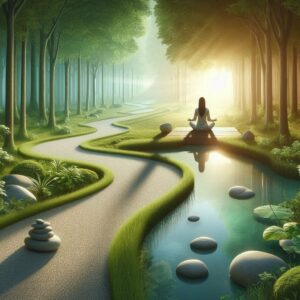 While both somatic inner journeys and meditation support relaxation, clarity, and presence, they work in subtly different ways that can influence how grounding and balance are experienced.
Somatic Inner Journeys
Meditation journeys are guided experiences designed to lead you gently beyond surface thoughts into a calm, receptive inner space. Through visualization, reflective imagery, and gentle prompts, they actively help release tension, soften old patterns, and restore your inner rhythm. The guidance creates a sense of support and containment, making it easier for the mind and body to settle fully.
Many find that after a journey, they feel physically grounded, emotionally balanced, and more connected to their inner wisdom, even if they are new to mindfulness practices.
Meditation
Meditation, particularly silent or unguided forms, emphasizes stillness, focus, and observing thoughts without attachment. This practice cultivates long-term mental clarity, awareness, and resilience. However, for some, entering a deep sense of bodily grounding can take time and consistent practice, as the focus is more on presence and observation than on active guidance or imagery.
In Practice
Meditational inner journeys can be a powerful complement to meditation, especially for those seeking immediate grounding and emotional balance. They provide a gentle path into the calm inner space that meditation may require time to reach. Over time, regular meditation can deepen this effect, making both practices mutually supportive.
Takeaway
Think of somatic inner journeys as a nurturing doorway that helps your body and mind settle into balance quickly, while meditation builds lasting awareness and steadiness. Together, they can create a holistic approach to inner calm, presence, and grounded living.
Meditation teaches you to listen; Inner journeys help you hear. Together, they open the quiet path home.
Frequently Asked Questions|Reflections on the Inner Vibz Journey|The Power of Balance|The Body & Visualization|Inner Journeys vs. Meditation|Why People Choose Inner Journeys|How Inner Journeys Make You Unshakable